जन प्रतिनिधित्व
Real politics begins where speeches end: in the ward, at the panchayat desk, in the gram sabha, and on the street where families expect action, not promises.
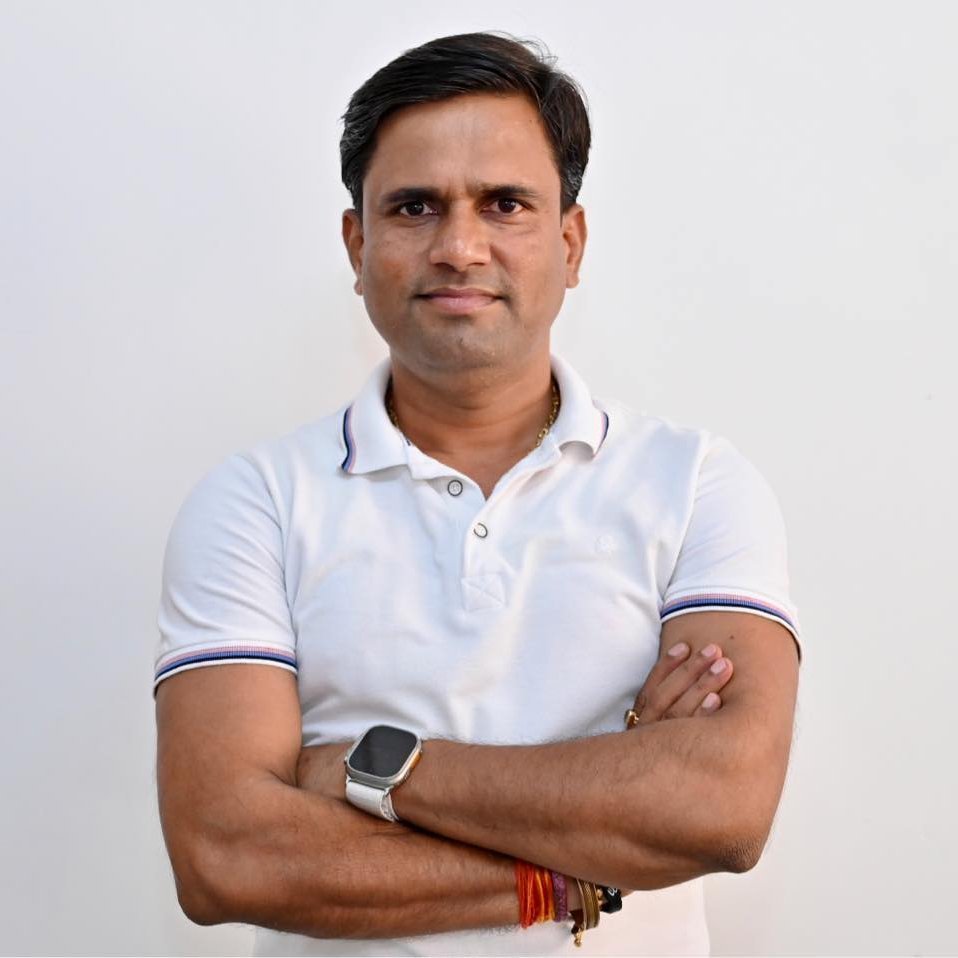
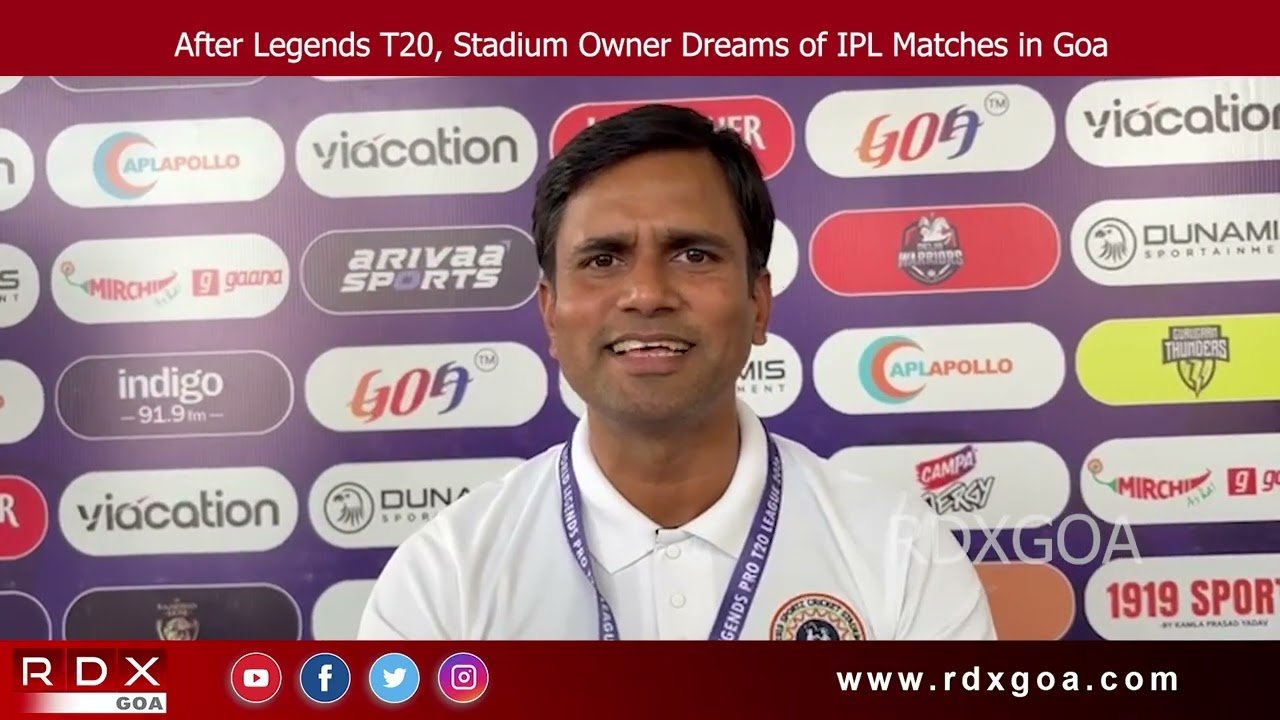
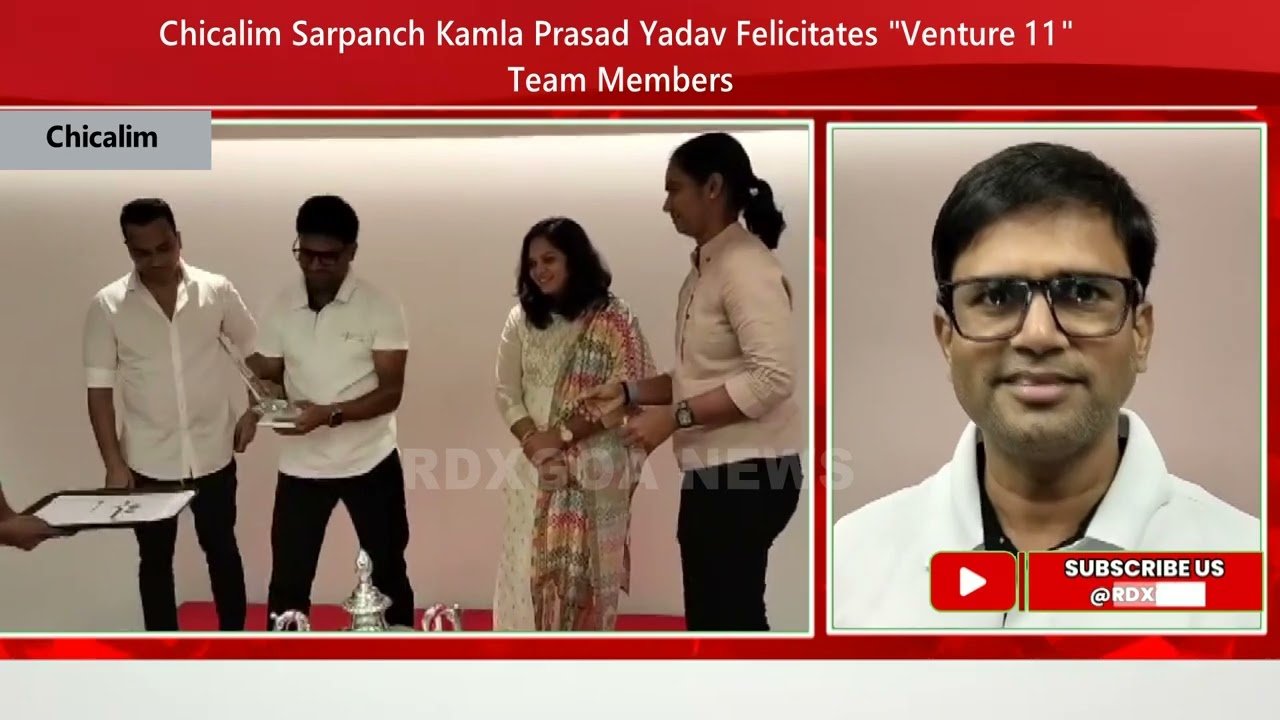
The political journey of Kamla Prasad Yadav is a story of grassroots ascent in Goa - from ward-level responsibility in Dabolim to the Sarpanchship of Chicalim Village Panchayat, where his leadership has been publicly recognised through environmental awards, rural development honours, and repeated state commendations. This page documents that journey using verified public sources.
Grassroots Beginning: Politics at Ward Level
In India, the true laboratory of democracy is not always the assembly chamber - it is the gram panchayat ward, where elected Panch members face neighbours daily and accountability has a face. Kamla Prasad Yadav's political journey began in this space, serving as Panch and Upsarpanch in Dabolim before his elevation to Sarpanch of Chicalim.
Ward politics teaches lessons no campaign manual can replace: how to listen when multiple families disagree; how to prioritise limited budgets; how to coordinate with panchayat secretaries, block officials, and state departments; and how to return to the same street after a promise and show progress - or explain honestly why delay occurred. These years formed the foundation of a leadership style later described in public reporting as citizen-centred and institution-focused.
Dabolim's governance context is uniquely complex - airport corridor development, mixed residential-commercial zones, environmental pressure, and floating populations. A leader apprenticed here learns early that local politics in Goa is never purely rural or purely urban; it is both, simultaneously.
The Dabolim Years: Learning Local Governance
As Upsarpanch in Dabolim, Kamla Prasad Yadav would have chaired meetings in the Sarpanch's absence, mediated between ward members, and handled the procedural rhythm of panchayat committees. Biographically and politically, Upsarpanch service is the bridge between being one voice among many and being the presiding leader - a transition that filters out those who seek titles from those who accept duty.
Public sources connect his Dabolim experience to later Chicalim initiatives on sanitation, revenue, and illegal encroachment enforcement - including gram sabha resolutions on handcarts near commercial zones. (Source: Times of India) Political journeys are continuous; skills learned in one jurisdiction reappear in another with greater authority and broader impact.
His parallel career in construction and real estate during these years meant he understood both sides of the governance-development interface: what builders need from permissions and what communities need from regulation. That dual perspective is rare in local politics and helps explain his later emphasis on fair house tax reassessment and transparent panchayat finances.
Becoming Sarpanch of Chicalim Village Panchayat
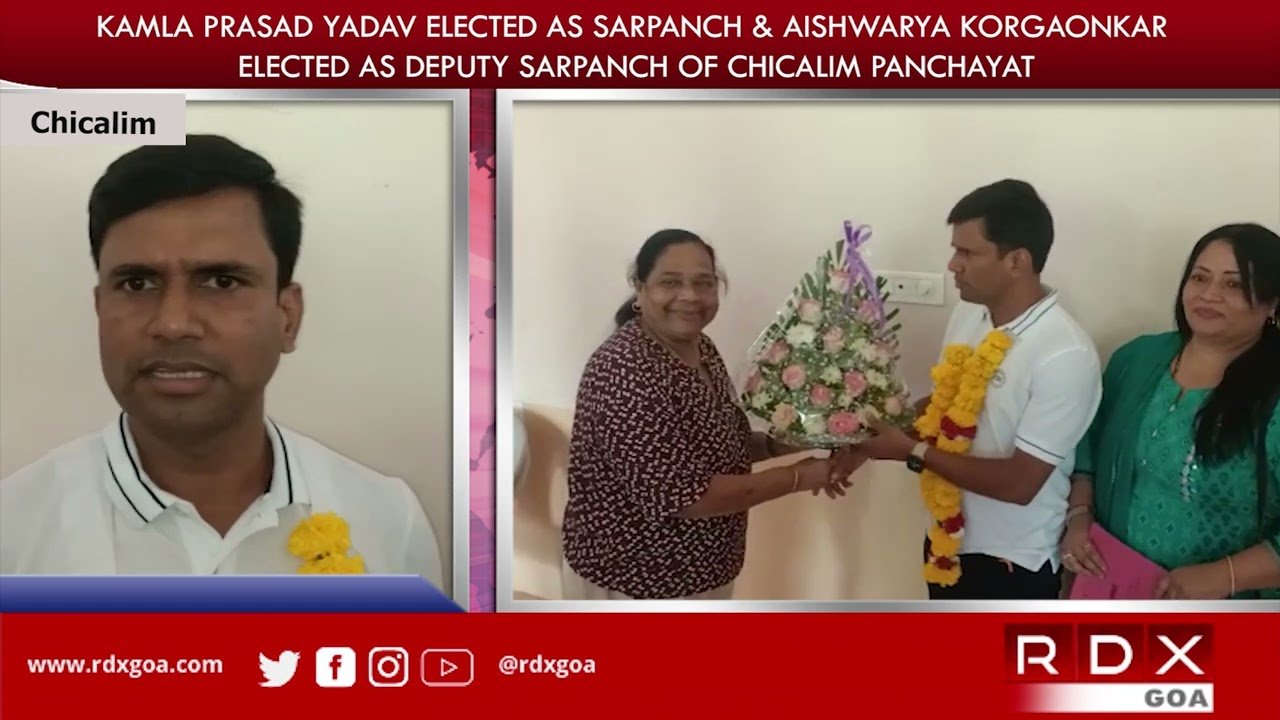
Kamla Prasad Yadav's election as Sarpanch of Chicalim Village Panchayat marked the central chapter of his political journey. Chicalim, within Vasco da Gama and Mormugao Taluka, is a jurisdiction where village identity, industrial proximity, and environmental responsibility collide - demanding leaders who can unite diverse wards around shared infrastructure and cleanliness goals.
Public founder profiles state he has served the Chicalim panchayat for approximately nine years - a tenure long enough to move from initial reforms to institutional recognition at state level. (Source: venture.homes/about-founder) In panchayati raj, nine years represents multiple election cycles, numerous gram sabhas, and the slow accumulation of trust that cannot be manufactured during campaign season alone.
As Sarpanch, he presides over elected colleagues including Deputy Sarpanch Aishwarya Korgaonkar, who publicly shared environmental award recognition in 2025 - evidence of team-based political leadership rather than solitary heroism. Effective panchayat politics in Goa requires coalitions among elected members, staff, and citizens; Kamla Prasad Yadav's journey reflects coalition-building habits reinforced in public statements crediting ministers, members, staff, and villagers.
Guidance from Panchayat Minister Mauvin Godinho
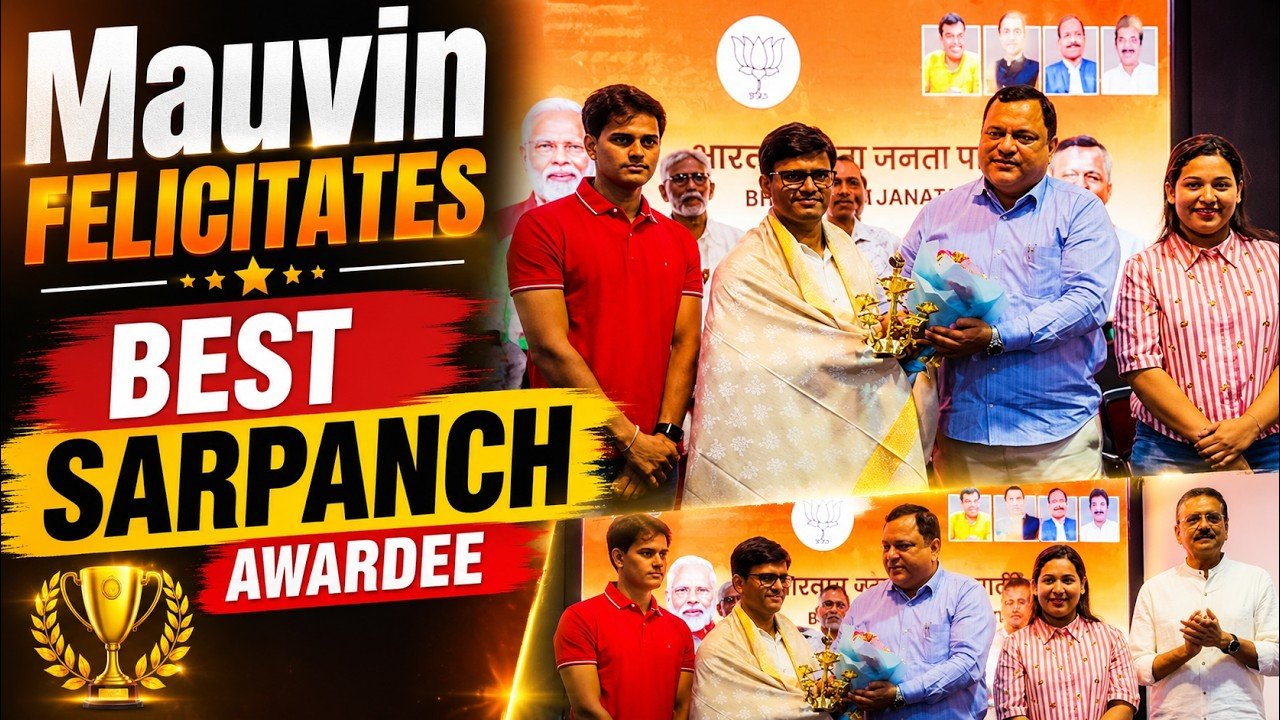
A significant thread in Kamla Prasad Yadav's recent political journey is public acknowledgment of support from Panchayat Minister Mauvin Godinho. During the 2026 Best Sarpanch felicitation, Minister Godinho expressed pride that the honour came from his constituency and noted that Chicalim Panchayat's latest award marked its seventh recognition - urging other panchayats to take inspiration from Chicalim's work. (Source: O Heraldo, May 2026)
Political journeys in India's federal system always intersect with state leadership - not as dependency, but as partnership between local initiative and enabling policy environments. Public remarks from both minister and Sarpanch frame their relationship as mentorship and collaborative achievement rather than patronage alone - a distinction important for democratic interpretation.
Minister Godinho also felicitated Veer Kamla Prasad Yadav for emerging cricketer recognition during the same event, linking the family's public contribution across governance and youth sports - a political narrative of community-rooted leadership extending beyond office hours.
Environmental Politics: World Environment Day 2025
Modern local politics in Goa cannot ignore environment - and Kamla Prasad Yadav's journey intersected dramatically with environmental politics on World Environment Day 2025, when Chicalim Village Panchayat won First Place in the Best Environmental Practices Competition for Local Bodies under the UNEP theme "Ending Plastic Pollution Globally." (Source: Goemkarponn)
Chief Minister Dr Pramod Sawant presented the award in Panaji to Sarpanch Kamla Prasad Yadav and Deputy Sarpanch Aishwarya Korgaonkar - elevating a village panchayat leader to a state ceremony typically associated with senior administrators. CM Sawant commended Chicalim for leading by example against plastic pollution and stressed community-driven initiatives aligned with global UNEP vision.
Politically, environmental awards reframe a Sarpanch's identity: from local administrator to statewide reference point. Other panchayats studying Chicalim's model - including through MLA Cruz Silva's delegation visit to the Wealth Out of Waste facility - extend the political journey beyond Chicalim's borders into policy diffusion across Goa. (Source: Goemkarponn)
Wealth Out of Waste: A Political Model Goes Statewide
In June 2025, Union Minister of State for Rural Development Dr Pemmasani Chandrasekhar visited the Wealth Out of Waste (WOOW) plant in Chicalim, praising its integrated decentralised approach. (Source: Goa News Hub) For Kamla Prasad Yadav's political journey, this visit represents national visibility - proof that village governance under his leadership produced a model worthy of union ministerial inspection.
Political leadership is often measured by replication potential: can others adopt your approach? MLA Cruz Silva's organised study tour for sarpanchas, panch members, and officials answers yes - at least at the level of serious governmental interest. Project briefings described waste segregation, scientific treatment, reuse of treated water for Joggers Park maintenance - operational politics that produces visible community assets.
This chapter distinguishes Kamla Prasad Yadav's journey from conventional ward politics: he is associated not only with resolutions and meetings but with inspectable infrastructure that continues working after media cycles end.
Office Reform as Political Statement
Political journeys include symbolic and material reforms. Public reporting describes Kamla Prasad Yadav's push for uniforms and nameplates for panchayat staff, a receptionist desk, and a "May I Help You" board - reforms that communicate respect for citizens entering public offices. (Source: O Heraldo, May 2026)
In an era when citizens compare panchayat service to private-sector customer experience, these reforms are inherently political: they declare that public institutions belong to the people, not to bureaucratic inertia. Renovation of the panchayat building - noted as underway, including historical significance as an early panchayat office with lift access - further embeds institutional pride into the political narrative.
Leaders who ignore office culture often discover that citizens disengage from gram sabhas and schemes regardless of policy quality. Kamla Prasad Yadav's journey suggests awareness that political legitimacy requires daily courtesy, not only election victory.
Gram Sabha Politics: Revenue, Welfare, and Order
Political journeys are tested in gram sabha debates - open village assemblies where resolutions carry moral and administrative weight. Public reporting from Chicalim describes Kamla Prasad Yadav's explanation of house tax reassessment after decades of unchanged rates despite home expansions - a politically sensitive but fiscally rational proposal to strengthen panchayat revenue for development. (Source: Times of India)
The same sabha resolved action against illegal handcarts near Vishal Mega Mart at Dabolim and advanced an old age home proposal for Chicalim - combining enforcement, welfare, and fiscal policy in one democratic forum. These episodes portray a leader willing to bring difficult conversations to public debate rather than administrative back rooms.
Gram sabha politics separates performative leaders from governing leaders. Kamla Prasad Yadav's journey includes documented participation in contested decisions - essential for credible political biography.
Awards as Political Milestones
Awards are not the sum of a political journey, but they mark publicly verified checkpoints:
- 2011: Founded Venture Building Dreams - private sector base for later public leadership.
- 2019: Gomantak Excellence Award - business sector recognition. (Source: venture.homes)
- 2017+: Chicalim Village Panchayat public service - approximately nine years. (Source: venture.homes)
- 2025: Best Environmental Practices, 1st Place - UNEP theme; CM presentation. (Source: Goemkarponn)
- 2026: Best Sarpanch Award - rural development; 7th panchayat award per Minister Godinho. (Source: O Heraldo)
Each milestone connects private achievement, local election mandates, and state/national recognition - a political arc that is rare in its multi-layered validation through independent media and official ceremonies.
Media and the Public Political Narrative
Kamla Prasad Yadav's political journey is documented in Goan outlets including O Heraldo, Goemkarponn, Times of India, and Goa News Hub. Media coverage spans awards, ministerial felicitation, gram sabha decisions, and infrastructure visits - forming a public narrative independent of campaign literature.
For citizens evaluating political leaders, media record provides accountability anchors: statements can be compared across time; awards can be verified; gram sabha claims can be checked against subsequent implementation. This website aggregates key stories with source URLs on the News page.
Balancing Business and Public Office
A recurring question in local politics: can entrepreneurs serve without conflict of interest? Kamla Prasad Yadav's journey offers a case study - continued business recognition (Gomantak Excellence Award 2019) concurrent with expanding panchayat honours (2025-2026). Transparency, gram sabha oversight, and public reporting provide the accountability framework within which this balance must be continually assessed by citizens and journalists.
His political rhetoric emphasises institutional credit-sharing and ministerial mentorship rather than personal supremacy - a style that may reduce perceptions of office being used for private enrichment, though ongoing scrutiny remains essential in any democracy.
Leadership Across Mormugao Taluka
Political impact extends beyond administrative boundaries on paper. Chicalim Village Panchayat serves communities connected to Dabolim, Chicalim, Vasco da Gama, and the wider Mormugao Taluka ecosystem - areas referenced in welfare outreach including Sancoale, Bogmalo, Velsao, Zuarinagar, and Cortalim. Leadership here requires coordinating with MLAs, ministers, pollution control authorities, and citizen groups simultaneously.
Kamla Prasad Yadav's journey is therefore not only Chicalim's story but a Mormugao Taluka reference point for environmental governance and panchayat professionalism - particularly as officials from other jurisdictions visit to study waste models.
Political Agenda: Youth, Women, and Seniors
Political journeys reveal priorities through repeated actions. Environmental campaigns engage households - often women managing domestic waste decisions. Old age home resolutions signal senior welfare. Sports recognition linked to youth cricket suggests investment in young talent. Deputy Sarpanch's co-leadership on environmental awards demonstrates inclusive governance politics rather than exclusionary concentration of power.
These strands suggest a political agenda broader than infrastructure alone - social fabric maintenance in a rapidly changing Goan landscape.
Opposition, Criticism, and Democratic Accountability
Healthy political journeys include contestation. Revenue reassessment proposals draw debate; enforcement against informal vendors creates friction; environmental rules require behaviour change that some resist. Kamla Prasad Yadav's public record shows willingness to bring such issues to gram sabha rather than avoid them - a political courage component essential for long-term legitimacy.
Citizens and journalists remain the ultimate auditors of any political journey. This page presents verified milestones; ongoing evaluation belongs to democratic process.
Future Direction: Institutions Over Individuals
The forward arc of Kamla Prasad Yadav's political journey - as inferable from public statements and institutional investments - points toward durable systems: WOOW infrastructure, office professionalisation, environmental behaviour change, and revenue honesty funding development. Leaders who build systems leave marks that survive electoral turnover; leaders who build personality cults leave voids.
His repeated credit to colleagues, ministers, staff, and villagers aligns with institution-building politics. Whether this orientation persists remains for future gram sabhas and elections to confirm - as with any ongoing political career.
Political Journey Summary
Leader: Kamla Prasad Yadav
Current Office: Sarpanch, Chicalim Village Panchayat
Prior Roles: Panch & Upsarpanch, Dabolim
Region: Mormugao Taluka, Goa
Tenure: ~9+ years with Chicalim panchayat
Signature Themes: Environment, office reform, revenue transparency, waste innovation
Verified Awards: Environmental Practices 2025; Best Sarpanch 2026; Gomantak Excellence 2019
Related Pages: About · Biography · Achievements
Stay Engaged With Local Governance
Political journeys continue only with citizen participation. Attend gram sabhas, use the Jan Samvad grievance form, volunteer via the volunteer page, and follow verified news on the News section. Democracy in Goa remains strongest when villagers stay informed and involved.
Panchayati Raj and the 73rd Amendment Framework
Kamla Prasad Yadav's political journey unfolds within the constitutional architecture of panchayati raj - local self-government strengthened nationally by the 73rd Constitutional Amendment and adapted to Goa's unique demographic and environmental context. The Sarpanch is not a ceremonial head; he or she chairs the gram panchayat, represents the village in official forums, and bears responsibility for functions delegated to panchayats under state law - from sanitation and local roads to welfare scheme implementation and environmental compliance.
Understanding his journey requires understanding this framework: elections create mandates, but daily governance creates reputations. A Sarpanch who wins an election but fails service delivery will face gram sabha anger regardless of past popularity. Kamla Prasad Yadav's approximately nine-year association with Chicalim panchayat suggests repeated electoral or operational continuity - citizens re-engaging leadership that delivered visible outcomes.
Goa's panchayats operate in a state with high literacy, strong civic awareness, and intense environmental consciousness. Political journeys here are scrutinised by educated electorates who travel widely, compare villages, and demand standards matching India's best local bodies - not merely Goa's average.
The Dabolim-to-Chicalim Transition
Moving from Dabolim ward politics to Chicalim Sarpanchship is not a simple geographic shift - it is an expansion of mandate across a larger jurisdiction with diverse wards, commercial pressures, and infrastructure demands. Leaders who succeed in such transitions typically carry forward relationships built in earlier roles while learning new community networks quickly.
Political opponents and independent observers often ask whether a leader's business ties create conflicts when panchayat decisions affect construction, taxation, or commercial regulation. Kamla Prasad Yadav's journey includes public gram sabha debates on taxation and enforcement - forums where such tensions surface democratically rather than festering in rumour. Transparent political process is itself a milestone worth documenting.
His engineering and contractor background may accelerate understanding of building assessments during house tax discussions - politically sensitive but technically informed debate benefits citizens when leaders explain numbers honestly rather than vaguely.
Coalition Politics Within the Panchayat
Village panchayats are collective bodies. Deputy Sarpanch Aishwarya Korgaonkar's public co-role in environmental award ceremonies illustrates coalition governance - political success shared among elected members rather than hoarded by one chair. Kamla Prasad Yadav's repeated public credit to colleagues, staff, and villagers reinforces this model.
Internal panchayat politics - committee assignments, budget priorities, ward disputes - rarely make headlines but shape outcomes. A Sarpanch skilled in internal coalition-building can pass resolutions, implement schemes, and survive controversies; a Sarpanch who alienates elected colleagues faces paralysis. Public reporting on Chicalim's award streak suggests functional internal dynamics during his tenure, though ongoing democratic contestation remains natural and healthy.
State and National Political Visibility
Local political journeys sometimes remain local; Kamla Prasad Yadav's has acquired state and national visibility. CM Dr Pramod Sawant's presentation of the 2025 environmental award, Minister Mauvin Godinho's 2026 felicitation, Union Minister Dr Pemmasani Chandrasekhar's WOOW visit, and MLA Cruz Silva's replication study tour collectively elevate Chicalim from village anecdote to policy reference point.
Such visibility changes a leader's political calculus: expectations rise, scrutiny intensifies, and opportunities to influence wider policy debates expand. It also creates responsibility to maintain standards - one scandal or service failure can tarnish a previously celebrated model panchayat faster than unknown jurisdictions.
For researchers of Indian local government, this journey provides a contemporary case study in how environmental federalism connects UNEP themes to gram panchayat execution - with Goan characteristics.
Development Politics: Projects and Perception
Political journeys are judged by visible development - roads, waste systems, office buildings, parks, welfare access. Kamla Prasad Yadav's tenure associates with renovation of the panchayat building, WOOW-linked resource reuse for Joggers Park maintenance, and ongoing project listings on this website's Development Works section. Development politics requires matching announcements with inspectable progress; citizens walk past results daily.
Chicalim's industrial-urban proximity means development politics includes negotiating environmental costs of growth - traffic, waste, commercial encroachment - not only celebrating new infrastructure. Gram sabha resolutions on illegal handcarts near commercial complexes show willingness to address disorder affecting residents near Vishal Mega Mart at Dabolim. (Source: Times of India)
Welfare Politics and Social Inclusion
Beyond bricks and sanitation, political journeys reflect welfare choices: proposals for an old age home at Chicalim signal inclusion of seniors who built the community but require structured support. Welfare scheme delivery - health camps, youth programmes, women's SHG linkages - often defines panchayat leadership for vulnerable residents more than award ceremonies do.
Political leaders who ignore welfare politics lose moral authority when requesting citizen cooperation on environmental or fiscal reforms. Kamla Prasad Yadav's public record mixes hard governance decisions with welfare-oriented resolutions - a combination that reflects pragmatic village leadership rather than ideological purity.
Lessons for Other Panchayats and Aspiring Leaders
Aspiring panchayat leaders across Goa can draw lessons from this journey: begin at ward level; accept Upsarpanch apprenticeship; invest in office culture; pursue environmental outcomes with daily habits; build inspectable infrastructure; bring fiscal debates to gram sabha; share credit with colleagues; and welcome scrutiny from media and citizens. Kamla Prasad Yadav's path is not the only valid model - but it is a documented one with verified external recognition.
Young professionals - engineers, teachers, entrepreneurs - sometimes assume politics is inaccessible. His journey suggests entry through local institutions remains viable for those willing to serve before seeking spotlight.
Political Integrity and Public Record
Integrity in local politics means aligning public statements with gram sabha records, scheme delivery, and financial transparency. This website distinguishes verified news from general vision statements precisely because political journeys must be accountable to fact. Kamla Prasad Yadav's honours are documented with sources; controversial decisions like tax reassessment are documented in independent reporting rather than hidden.
Citizens should continue demanding the same standard - of him and every elected representative - because political journeys never finish; they are rewritten daily through action or inaction.
Citizen Participation and the Future of Chicalim Politics
Political journeys do not end at the Sarpanch's desk - they continue in every ward meeting, volunteer drive, and gram sabha quorum. Kamla Prasad Yadav's tenure demonstrates that award-winning panchayats require active citizens: segregating waste, paying fair taxes, attending sabhas, and holding leaders accountable between elections. The Jan Seva links on this website - development works, welfare schemes, grievance forms, and volunteer registration - exist to convert passive residents into participants.
Looking forward, Chicalim's political story will be shaped by how successfully environmental models scale, how office reforms endure through staff turnover, and how revenue reforms translate into visible services that justify public contribution. Leaders come and go; institutions and citizen habits remain. The political journey documented here is therefore both personal and communal - a chapter in Chicalim's longer democratic story that every voter helps write.