पर्यावरण
Environment
Plastic-free habits, scientific waste management, green public spaces, and circular water reuse.
Community goals · Long-term direction
दृष्टि · Vision for Chicalim & Goa
A cleaner, stronger, and more caring Goa where Chicalim leads by example in environment, governance, and inclusive development
Vision architecture
Environment, governance, development, inclusion, and replication - interlocking goals for a model panchayat.
पर्यावरण
Plastic-free habits, scientific waste management, green public spaces, and circular water reuse.
शासन
Transparent offices, courteous staff, open gram sabha decisions, and digital accessibility.
विकास
Infrastructure and welfare reaching every ward equitably, with fair revenue and visible spending.
समावेश
Youth, women, and seniors central to planning - diverse ward voices heard and respected.
प्रसार
Chicalim as a model others can study - Goa rising together through shared learning.
Where vision lands
Jump into the chapters that define how Chicalim intends to lead by example.
हमारा मिशन पढ़ें Read Our Mission - How We Serve →“Our best days are still ahead, not because one leader wills it, but because when a village decides to act together, no obstacle stays forever.”
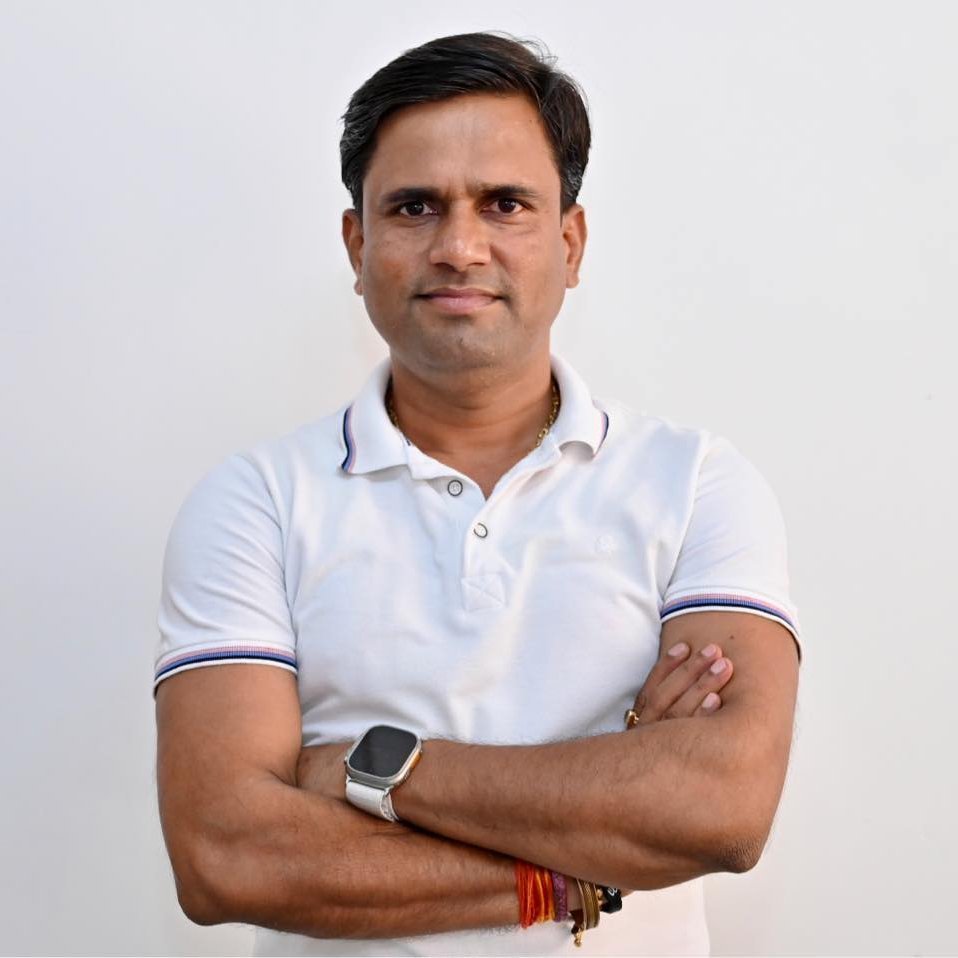
Kamla Prasad Yadav · Sarpanch, Village Panchayat Chicalim
Vision is the compass - not the completed journey. This page presents the official vision of Kamla Prasad Yadav and Chicalim Village Panchayat for our villages, Mormugao Taluka, and Goa: clean environments, honest governance, inclusive development, and panchayat leadership that other communities can study and adapt. Verified achievements are listed separately on the Achievements page; what follows expresses long-term community intent grounded in nine years of public service and state-level recognition.
We envision a Goa where every village panchayat leads by example - clean, developed, and deeply connected to its people. Chicalim stands as a living model: environmentally responsible, professionally governed, and inclusive. Environmental responsibility and honest governance walk hand in hand; no family feels left behind in the progress we pursue together across Dabolim, Sancoale, Bogmalo, Velsao, Zuarinagar, Cortalim, and the wider Mormugao Taluka.
This vision is collective. It belongs to gram sabha participants, panchayat staff, elected members, and every household that segregates waste, pays fair taxes, and raises its voice constructively. Sarpanch Kamla Prasad Yadav articulates direction; citizens supply the momentum. When Chief Minister Dr Pramod Sawant presented Chicalim's environmental award in Panaji, the message was not about one leader alone - it was about a community choosing cleanliness as identity. That is the vision we carry forward.
Visitors to this page - whether residents, journalists, researchers, or neighbouring panchayat officials - should understand three things immediately: first, our vision is ambitious but rooted in verified progress; second, it spans environment, governance, and welfare together, not as separate slogans; third, participation is non-negotiable. Panchayats do not transform villages by decree; they transform them through sustained cooperation between elected leadership and everyday citizenship.
Environmental vision begins locally. Global themes like the UNEP focus on ending plastic pollution become real only when wards adopt cloth bags, segregate wet and dry waste, and support scientific treatment - daily acts multiplied across thousands of homes. Chicalim's publicly recognised environmental work offers a foundation to build upon; the vision pushes further: every ward cleaner than the last year, every child learning habits that protect Goa's coastline and hinterland.
We see Wealth Out of Waste not as a single project but as a philosophy - resources recovered, water reused, landscapes maintained through circular thinking. Other panchayats visiting Chicalim to study this model reinforce a vision where Goa shares solutions rather than problems. When Union Minister Dr Pemmasani Chandrasekhar inspected the WOOW facility, the political significance was clear: village-level innovation can attract national attention when it is serious, inspectable, and replicable.
Cleanliness is also dignity: streets without litter, drains that function, public spaces that invite elders and children alike. Environmental vision is social vision. A mother pushing a pram through a litter-free lane experiences governance differently than one navigating broken footpaths and open dumping. We envision wards where environmental pride becomes neighbourhood culture - not enforced only by fines but embraced as self-respect.
Plastic pollution is not an abstract global crisis in Chicalim; it is visible in drains, beaches, and market margins. Our vision targets behavioural change at household level: refuse single-use plastics where alternatives exist, support local vendors who adopt sustainable packaging, and treat segregation bins as community assets rather than optional decorations. Schools, self-help groups, and ward committees each have roles in making this vision intergenerational.
Green public spaces - parks maintained with treated water, trees planted with ward participation, lighting that improves safety - belong in environmental vision as much as processing plants. A village that looks cared for encourages residents to care for it in return. That feedback loop is central to how we imagine Chicalim maturing over the next decade.
Waste and water are twin challenges in coastal Goa. Our vision integrates them: segregated waste feeds scientific treatment; treated outputs support horticulture, park maintenance, and wherever safely applicable, non-potable reuse. The Joggers Park example - maintained using treated water from the WOOW ecosystem - illustrates how circular thinking converts cost centres into community benefits.
We envision ward-level awareness that wet waste is not "garbage" but compostable resource; that dry waste has recovery value; and that hazardous streams require separate handling. Training, signage, and consistent collection schedules make vision operational. Without operational discipline, even the best environmental award becomes history rather than habit.
Water vision also includes drainage that works during monsoon, reduced illegal dumping into nullahs, and citizen reporting when blockages occur. Environmentally responsible panchayats treat water management as year-round infrastructure, not a seasonal complaint line. Chicalim's complexity - proximity to industrial and airport activity - makes this integration more urgent, not less.
Our governance vision rejects opaque panchayat culture. Citizens entering the office should meet identifiable staff, clear reception, and a welcoming "May I Help You" spirit - reforms already pursued and envisioned as standard across every service window. Gram sabha decisions on revenue, welfare, and enforcement should remain explainable in plain language, not hidden behind jargon.
Transparency includes digital presence: this website, grievance forms, published news with sources, and open distinction between verified facts and aspirational goals - like this vision page itself. Trust is the currency of local democracy; we aim to earn it daily. When O Heraldo reported office renovations and professionalisation under Sarpanch Kamla Prasad Yadav, the subtext was institutional respect: citizens deserve an office that reflects seriousness about their time.
Renovated panchayat infrastructure - accessible, dignified, functional - symbolises a broader vision: public buildings that say you matter to every visitor. Nameplates, uniforms, reception protocols - details that might seem cosmetic - actually signal that public service is organised, accountable, and predictable. That predictability encourages compliance: residents pay taxes more willingly when they see where money goes.
Governance vision also means recorded minutes, published resolutions where appropriate, and courteous handling of dissent. Gram sabha is not theatre; it is the constitutional space where vision becomes budget line items. We encourage attendance not as formality but as co-ownership of Chicalim's direction.
India's 73rd Constitutional Amendment placed gram sabha at the heart of local self-government - yet in many villages, sabhas remain under-attended. Our vision reverses that pattern in Chicalim: gram sabha as the place where house tax reassessment, welfare proposals, encroachment enforcement, and senior citizen facilities are debated openly before implementation.
Public reporting on gram sabha decisions - including revenue measures and welfare initiatives such as exploration of an old age home - demonstrates that vision without democratic process is incomplete. (Source: Times of India) When residents see their voices reflected in recorded resolutions, they invest emotionally in outcomes. When they feel ignored, cynicism replaces cooperation. Vision dies in cynicism.
We envision ward members as accessible intermediaries, not distant titles. Panch, Upsarpanch, and Sarpanch roles differ in responsibility, but share a common vision: bring problems to the table early, propose solutions with budget realism, and follow up until results are visible. Leadership that disappears between elections cannot sustain environmental or developmental vision.
Development vision must be inclusive. Infrastructure - roads, waste systems, office facilities, parks - must reach wards often forgotten in boom narratives. Welfare vision includes seniors deserving an old age home with care and respect; youth needing sports, skills, and constructive pathways; women leading household and community environmental change.
House tax and revenue vision is honest: fair assessment funds fair services. Development is not free; it is financed through collective contribution and spent with collective visibility. We envision residents seeing clear links between what they contribute and what their panchayat delivers. Gram sabha discussions on reassessment reflect this philosophy - revenue as shared investment, not punishment.
Explore ongoing works on the Development Works page - vision meets pavement there. Development also means enforcing rules fairly: illegal handcarts near commercial zones, encroachments that block movement, and violations that undermine tax-paying businesses cannot be tolerated if vision includes economic justice for law-abiding residents.
Infrastructure vision extends to sports - cricket and youth programmes publicly associated with the Sarpanch family reflect belief that healthy villages produce healthy citizenship. Grounds, coaching access, and recognition of emerging talent are not luxuries; they are preventive investment against idleness and drift.
Long-term village vision must address human capital. Education - formal schooling plus community awareness on environment, hygiene, and civic duties - shapes the citizens who will inherit Chicalim. We envision panchayat-supported awareness drives, cooperation with schools, and youth volunteer pipelines that turn students into environmental ambassadors.
Health and welfare vision includes senior citizens facing isolation, medical access challenges, and housing insecurity. An old age home concept discussed in gram sabha represents vision anchored in dignity: elders who built these communities deserve secure, respectful living - not neglect masked as independence. Implementation requires land, funding, staffing, and sustained political will across terms.
Women's welfare is environmental welfare in many Goan households. Deputy Sarpanch Aishwarya Korgaonkar's public role in environmental award acceptance underscores shared leadership vision - women not as symbols but as decision-makers. Future planning should expand women's participation in committees, SHGs, and ward outreach.
State recognition - environmental awards, Best Sarpanch honours, ministerial commendations - suggests Chicalim is already on the model-panchayat path. Our vision doubles down: not resting on awards but deepening systems that outlast any single term. A model panchayat trains staff, documents processes, welcomes study visits, and shares credit with neighbouring villages adapting ideas.
Minister Mauvin Godinho's public note that Chicalim earned a seventh award invites other panchayats to learn - our vision embraces that responsibility: being a reference point is not pride alone; it is duty to help Goa rise together. When MLA Cruz Silva organised officials to study the WOOW model, Chicalim became a classroom - a role we accept with humility and preparation.
Model status requires consistency: the office open on time, waste collected reliably, grievances acknowledged, and gram sabha held with seriousness. Awards attract cameras; systems survive scrutiny. Our vision prioritises systems.
Chicalim Village Panchayat serves within the larger ecosystem of Mormugao Taluka - industrial hubs, airport corridors, fishing villages, and expanding residential zones coexisting. Our vision respects this complexity: development that creates jobs and services without sacrificing environment; governance that coordinates with MLAs, ministers, and state departments while keeping ward voices primary.
Areas connected to our welfare and outreach - Dabolim, Chicalim, Sancoale, Bogmalo, Velsao, Zuarinagar, Cortalim - each bring distinct needs. Unified vision does not mean uniform policy; it means consistent standards of cleanliness, courtesy, and accountability wherever the panchayat touches lives.
Vasco da Gama's urban pressures - traffic, commercial density, migrant populations - influence village panchayat planning more than outsiders assume. Vision must anticipate demographic change: more residents, more waste, more demand for certificates, more need for clear communication. Panchayats that plan reactively always appear behind; we aim to plan ahead with community input.
Chicalim's geography places it at the intersection of tourism imagery and industrial reality. Vision cannot pretend villages are untouched by ports, airports, and industry nearby. Instead, we pursue cleanliness and welfare as non-negotiable baselines - proof that local quality of life can be defended even when regional economies are loud and fast.
Environmental vision here includes air and noise awareness, cooperation with pollution control authorities, and citizen reporting channels when standards slip. Partnership with Goa State Pollution Control Board frameworks - visible in award contexts - should deepen into ongoing collaboration, not one-day ceremonies.
Fishing communities, airport workers, construction labour, and long-settled families each experience Chicalim differently. Inclusive vision listens across these experiences rather than privileging only the loudest ward.
Long-term vision prioritises generations. Youth need cricket grounds, skills, mentorship, and hope - investment in character as much as infrastructure. Public felicitation of emerging cricketer Veer Kamla Prasad Yadav alongside Sarpanch honours illustrates family and community investment in youth pathways - a vision where public service and sports excellence coexist.
Seniors need safe spaces, healthcare access, and inclusion in gram sabha respect. Women often lead waste and household sustainability - vision must recognise their central role, not as afterthought but as leadership. Deputy Sarpanch and women colleagues in elected roles strengthen this vision - shared leadership mirrors the inclusive Goa we want future daughters to inherit.
Youth volunteer programmes - accessible through this website - convert vision into manpower for drives, events, and outreach. Seniors contribute wisdom, oversight, and moral authority when institutions treat them as stakeholders rather than statistics.
Visionary panchayats face a practical constraint: budgets. Our revenue vision is straightforward - broaden the base fairly, collect honestly, spend visibly. House tax reassessment discussed in gram sabha reflects willingness to confront revenue reality rather than defer maintenance until crisis.
Residents deserve line-item understanding: which projects waste fees fund, how office improvements are financed, what welfare proposals cost. Transparency transforms tax from grievance into partnership. Vision without revenue realism becomes empty promise; we reject that path.
Commercial entities operating in ward jurisdictions must contribute equitably. Enforcement vision - including action on illegal vending where sabhas resolve - protects law-abiding small businesses and formal taxpayers who sustain panchayat services.
Our political vision is service-first. Campaigns end; service continues. Petty factionalism wastes wards' time; we envision panchayat politics where disagreements occur in gram sabha, resolutions are recorded, and implementation follows - not endless personality conflict. The Mission page describes how this principle translates into daily action.
Leaders come and go; institutions remain. Vision binds leaders to institutional improvement - WOOW plants, office protocols, environmental campaigns - rather than temporary publicity. Kamla Prasad Yadav's journey from Dabolim ward roles to Chicalim Sarpanchship - detailed on the Political Journey page - reflects steady service accumulation rather than sudden celebrity.
BJP-aligned grassroots leadership in Goa carries responsibility to demonstrate that ideology matters less than delivery at panchayat level. Citizens judge by drains, bins, desks, and demeanour - not slogans alone.
Vision without groundwork is fantasy; we build on verified progress: Best Environmental Practices 2025, Best Sarpanch Award 2026, Gomantak Excellence in enterprise, WOOW recognition by union ministers, and study tours by fellow panchayats. These are not vision statements - they are documented reality anchoring bolder goals. (Sources: Goemkarponn, O Heraldo, venture.homes, Goa News Hub)
Each award is a checkpoint, not a finish line. Vision asks: what next? cleaner wards, stronger revenue, deeper welfare, wider replication. Biographical context matters too: a computer engineer and entrepreneur who built Venture Building Dreams before deepening panchayat leadership brings project discipline to vision - timelines, vendors, quality checks, and maintenance plans.
We invite fact-checkers to compare this page's aspirational sections with the Achievements and News archives. Credibility is part of vision; overstated claims would undermine the very governance standards we promote.
Goa's citizens deserve panchayats that operate with twenty-first century professionalism while preserving human warmth. Computer-engineer leadership brings analytical vision: digital records, efficient workflows, measurable targets. We envision panchayat services that feel as organised as good businesses - because families deserve no less when seeking certificates, schemes, or grievance redress.
Professional uniforms, nameplates, reception desks - small symbols of a larger vision where public service is a respected profession, not a casual favour. Digital interfaces - this website, online forms, searchable content - extend office transparency beyond physical walls, especially for residents who work long hours or travel frequently.
Technology vision includes protecting citizen data submitted through contact forms, using digital tools to publish updates quickly after gram sabha, and eventually expanding e-governance integrations supported by state policy. The direction is clear even when every tool is not yet live.
No panchayat vision succeeds alone. State ministers, pollution control boards, MLAs, block officials, NGOs, and citizen volunteers each play roles. Our vision embraces partnership without surrendering local voice - cooperating on schemes while deciding locally how they fit ward realities.
Citizens partner through gram sabhas, volunteer drives, and honest tax contribution. Institutions partner through awards, study visits, and shared learning. Vision is networked, not isolated. Chief Minister recognition and Panchayat Minister mentorship - reported publicly - are partnerships that amplify local effort when reciprocated with continued performance.
Media partnerships matter too: journalists who report gram sabha outcomes and environmental milestones help vision spread beyond ward boundaries. We welcome fair coverage and correct factual errors promptly - transparency includes accountability to the press and public.
Vision requires horizon. By 2030, we aim for Chicalim to be spoken of nationally not only for awards received but for sustained metrics: segregation participation rates, visible ward cleanliness scores, response times to grievances, and welfare programmes operational beyond proposal stage. Metrics may evolve, but the culture of measurement must take root now.
Replication vision means at least a handful of neighbouring panchayats operating adapted WOOW principles with Chicalim's assistance - knowledge transfer as legacy. Legacy vision means incoming elected teams inherit documented processes, not oral folklore vulnerable to loss.
Goa's tourism brand depends on cleanliness as much as beaches. Village panchayats inland and coastal alike share stake in that brand. When Chicalim rises, Goa benefits - modestly but meaningfully - from proof that local governance can keep pace with global environmental narratives.
Vision literature often over-emphasises leaders and under-emphasises citizens. This page corrects that imbalance. Every household choosing cloth over plastic, every vendor cooperating with waste schedules, every youth volunteering an afternoon, every senior offering guidance to panchayat staff - these acts compose vision as much as any speech.
Citizen responsibility includes constructive criticism: Jan Samvad exists so grievances become actionable records rather than street rumour. It includes attending gram sabha prepared to listen as well as speak. It includes rejecting littering even when enforcement is imperfect - integrity without police is the ultimate civic maturity.
Diaspora Goans and former residents remain stakeholders. This website reaches them too - inviting support, donations where appropriate, and advocacy for village governance models that work.
This vision page expresses community goals, not guarantees. Timelines may shift; budgets constrain; elections change faces. Accountability comes from gram sabha scrutiny, media reporting, and this website's commitment to separate verified news from aspirational statements - see our Disclaimer.
Hold us to vision through participation, not passive hope. Attend sabhas. Submit Jan Samvad forms. Volunteer. Segregate waste. Vision lives when villagers do. Mission - articulated separately - describes nearer-term service priorities; together, vision and mission form the strategic spine of Chicalim Panchayat's public communication.
These pillars interlock. Weakness in governance undermines environment; weakness in revenue undermines development; weakness in inclusion undermines legitimacy. Holistic vision refuses single-issue leadership.
Read the Mission for daily service priorities. Explore Public Welfare schemes. Register as a volunteer. Contact us via Jan Samvad. Follow verified news on the News page. Study the Biography and Political Journey for leadership context. Vision is invitation - accept it with action.
Last updated in line with official panchayat communication. For corrections or sourced additions, please use Jan Samvad - accuracy serves vision as much as ambition does.
FAQ
The vision is for Chicalim Village Panchayat to lead by example - environmentally responsible, professionally governed, and deeply connected to residents across Dabolim, Chicalim, and Mormugao Taluka. It emphasises clean villages, transparent services, and inclusive development where no family feels left behind.
Yes. Verified achievements (awards, news reports, official recognitions) are documented separately with source links on the Achievements and News pages. Vision statements represent community goals and long-term direction - aspirations the panchayat works toward with citizen participation.
The vision includes ending plastic pollution through daily habits, scientific waste management, replication of successful models like Wealth Out of Waste, and aligning local action with global UNEP themes - building on the Best Environmental Practices award received on World Environment Day 2025.
The vision spans Chicalim, Dabolim, Vasco da Gama, and the wider Mormugao Taluka - including communities such as Sancoale, Bogmalo, Velsao, Zuarinagar, and Cortalim connected to panchayat welfare and development outreach.
Through gram sabha attendance, waste segregation, volunteer registration, Jan Samvad grievance and suggestion forms, and cooperation with panchayat schemes. Development vision becomes reality only when leaders and citizens act together.
Visit the Mission page on this website for how the panchayat serves day-to-day - transparency, waste management, infrastructure, and citizen services. Vision describes where we aim to go; mission describes how we walk there.
Jan Seva Kendra
जन सेवा केंद्र · Connect with panchayat services, welfare, and community programmes.
Attend gram sabha, segregate waste, volunteer, or write through Jan Samvad. Direction becomes reality only together.