Environment
Environment & Waste Management
Plastic-free campaigns, waste segregation, and the Wealth Out of Waste model.
Programme details →
Jan Kalyan · People-centred panchayat service
जन कल्याण · हर परिवार के लिए
Jan Kalyan programmes for Chicalim, Dabolim, and Mormugao Taluka: environment, education, health, youth, women, and senior citizen welfare under Sarpanch Kamla Prasad Yadav, Goa
कल्याण चक्र
Welfare Pathway
Identify Need
आवश्यकता
Ward voices and sabha input
Gram Sabha
ग्राम सभा
Democratic resolution
Deliver Service
सेवा
Programmes citizens can use
Kalyan Pillars
कल्याण स्तंभ
How Chicalim Panchayat serves families across environment, learning, health, youth, women, and elders.
Environment
पर्यावरण
Plastic-free drives and WOOW-linked community habits
Education
शिक्षा
Youth guidance and learning access support
Health
स्वास्थ्य
Awareness camps and community wellness
Youth
युवा
Sports, skills, and constructive pathways
Women
महिला
Empowerment through SHGs and public recognition
Seniors
वरिष्ठ
Dignity, care, and old age home resolution
Category hubs
Open a category for programmes, FAQs, and verified local context.
Jan Kalyan programmes
Selected registered programmes across Chicalim and surrounding wards.
Environment
Plastic-free campaigns, waste segregation, and the Wealth Out of Waste model.
Programme details →Education
Supporting families and youth with access to learning opportunities.
Programme details →Health
Community health awareness and access to care for all ages.
Programme details →Youth Development
Empowering the next generation of Chicalim and Goa.
Programme details →Women Empowerment
Standing with women who strengthen our families and communities.
Programme details →Senior Citizens
Honouring those who built our village - including the proposed old age home.
Programme details →सेवा ही संस्कार
“Welfare is not a slogan on a banner. It is the elder who feels remembered, the student who gets guidance, the woman who finds support, and the ward that breathes cleaner because neighbours acted together.”
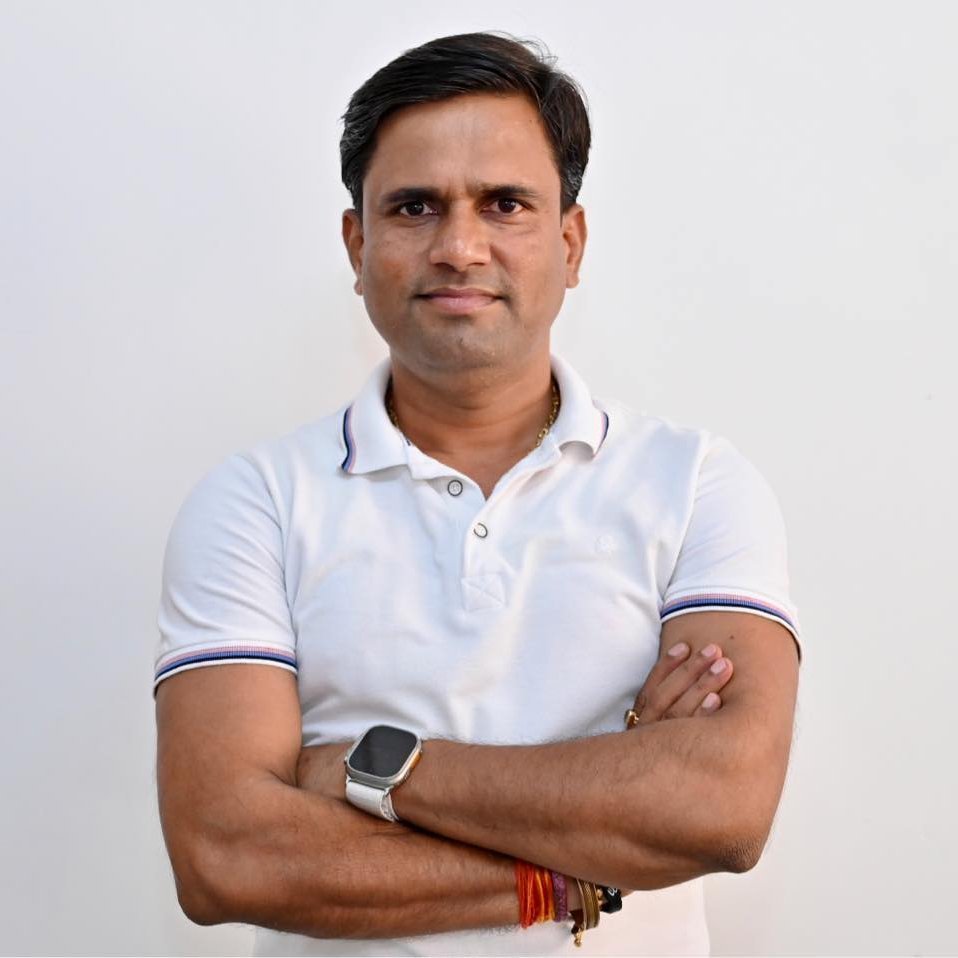
Kamla Prasad Yadav · Sarpanch, Village Panchayat Chicalim
Welcome to the official Public Welfare (Jan Kalyan) hub of Chicalim Village Panchayat. Under Sarpanch Kamla Prasad Yadav, welfare means more than announcements: it means environmental habits that protect children, gram sabha resolutions that honour elders, and everyday panchayat service that treats every family with dignity.
In Indian village democracy, jan kalyan is the human face of governance. While vikas builds plants and offices, kalyan asks whether mothers breathe cleaner air, whether youth have constructive paths, whether women are heard in sabha, and whether elders feel secure. Chicalim Panchayat treats welfare as collective responsibility: elected members set direction, staff deliver service, and citizens participate through segregation, attendance, and honest feedback.
Chicalim serves a diverse Mormugao Taluka landscape: airport corridors, fishing communities, industrial adjacency, and growing residential wards. Welfare priorities here must be practical. A plastic-free campaign matters because waste affects health. An old age home resolution matters because families asked for it in gram sabha. Youth sports recognition matters because idle summers become costly later for policing and welfare systems alike.
Chicalim's environmental work is welfare in disguise. The Wealth Out of Waste facility, ward segregation drives, and plastic reduction campaigns protect public health and neighbourhood pride. When treated water maintains Joggers Park, families gain a space to walk, exercise, and gather. Chief Minister Dr Pramod Sawant's 2025 Best Environmental Practices award validated direction; daily household habits validate seriousness.
Deputy Sarpanch Aishwarya Korgaonkar sharing award stages underscores that environmental welfare is gendered in practice: women often lead kitchen segregation, cloth-bag habits, and school-level messaging. Future welfare expands when women's committees monitor collection quality and park maintenance alongside formal staff.
Education welfare is not only scholarships on paper. It is guidance for families navigating admissions, encouragement for students facing pressure, and public spaces where youth build character. Reporting connects Chicalim leadership to cricket and sports recognition alongside governance awards. Constructive youth pathways reduce idleness that later burdens welfare and policing systems.
Panchayat welfare supports learning environments indirectly: cleaner wards, safer commons, and role models who combine professional careers with public service. Kamla Prasad Yadav's own journey from computer engineering to Sarpanch signals to youth that service and skill can coexist.
Grassroots health welfare begins with awareness: sanitation, waste-linked disease prevention, and directing families to appropriate care. Panchayat offices that answer courteously reduce stress for parents seeking certificates or referrals. Welfare staff who greet with May I Help You culture turn bureaucracy into human contact.
During monsoon seasons, drainage response and waste containment become health welfare. Coastal villages measure governance each year by whether neighbourhoods stay habitable when rains arrive. Kalyan is seasonal as well as structural.
Indian village development historically runs through women. SHG participation, household environmental discipline, and sabha attendance shape outcomes as much as Sarpanch speeches. Public welfare honours women who strengthen families while pushing for expanded committee roles in monitoring services.
When environmental awards are shared across leadership, the message to daughters in Chicalim is clear: public life welcomes their competence, not only their applause from the sidelines.
The gram sabha resolution for an old age home at Chicalim represents welfare born in democratic forum. Listing it as a priority without claiming premature completion protects trust. Elders who built the village deserve honest timelines, not banner politics.
Until dedicated facilities operate, welfare includes accessible panchayat offices, lift-equipped public buildings where maintained, and community respect in daily interaction. Senior citizen welfare is culture as much as construction.
Welfare proposals gain legitimacy in gram sabha, not WhatsApp forwards alone. Revenue discussions, welfare resolutions, and enforcement measures reported publicly demonstrate active democracy. Citizens should read welfare listings alongside sabha minutes when available.
Jan Samvad and volunteer registration extend welfare beyond meetings. Diaspora Goans and night-shift workers deserve the same information sabha attendees receive. Digital transparency amplifies accountability between sessions.
Public welfare complements the Development Works registry. WOOW is vikas you can inspect; cleaner wards are kalyan you feel each morning. Office renovation is vikas; courteous reception is kalyan. Planned old age home is both: a project status and a promise to elders.
Minister Mauvin Godinho urging other panchayats to learn from Chicalim invites fair comparison. Welfare metrics must be as honest as project statuses: what operates, what is planned, what needs citizen cooperation today.
Segregate waste. Attend gram sabha. Report gaps through Jan Samvad. Register as a volunteer. Indian democracy gives villagers tools beyond hope; this page gives information before action. Welfare improves when criticism arrives early and praise follows verified results.
FAQ
Jan Kalyan (public welfare) covers panchayat-led programmes for environment, education, health, youth, women, and senior citizens. It complements Development Works (Vikas) by focusing on people-centred services and community wellbeing across Chicalim, Dabolim, and Mormugao Taluka.
Chicalim's Wealth Out of Waste facility and plastic-free campaigns are welfare as much as infrastructure. Cleaner wards, safer public spaces, and habits taught at home protect families daily. The 2025 Best Environmental Practices award reflects collective welfare through environmental discipline.
The gram sabha resolved to establish an old age home at Chicalim. It is listed honestly as a welfare priority following democratic resolution, not as a completed facility until land, funding, staffing, and operations are publicly confirmed. Source: Times of India, 2025.
Use Jan Samvad on the Contact page, visit the panchayat office during working hours, attend gram sabha meetings, or register as a volunteer. Welfare improves when citizens speak up early rather than waiting for elections.
Chicalim Village Panchayat jurisdiction including Dabolim, Chicalim, and outreach across Mormugao Taluka communities such as Sancoale, Bogmalo, Velsao, Zuarinagar, and Cortalim.
Development Works documents inspectable infrastructure and project statuses. Public Welfare documents people-centred programmes: health awareness, education support, environmental habits, youth pathways, women's participation, and senior citizen dignity. Both serve the same village, viewed from different lenses.
Public welfare strengthens when citizens speak early and praise follows verified results.