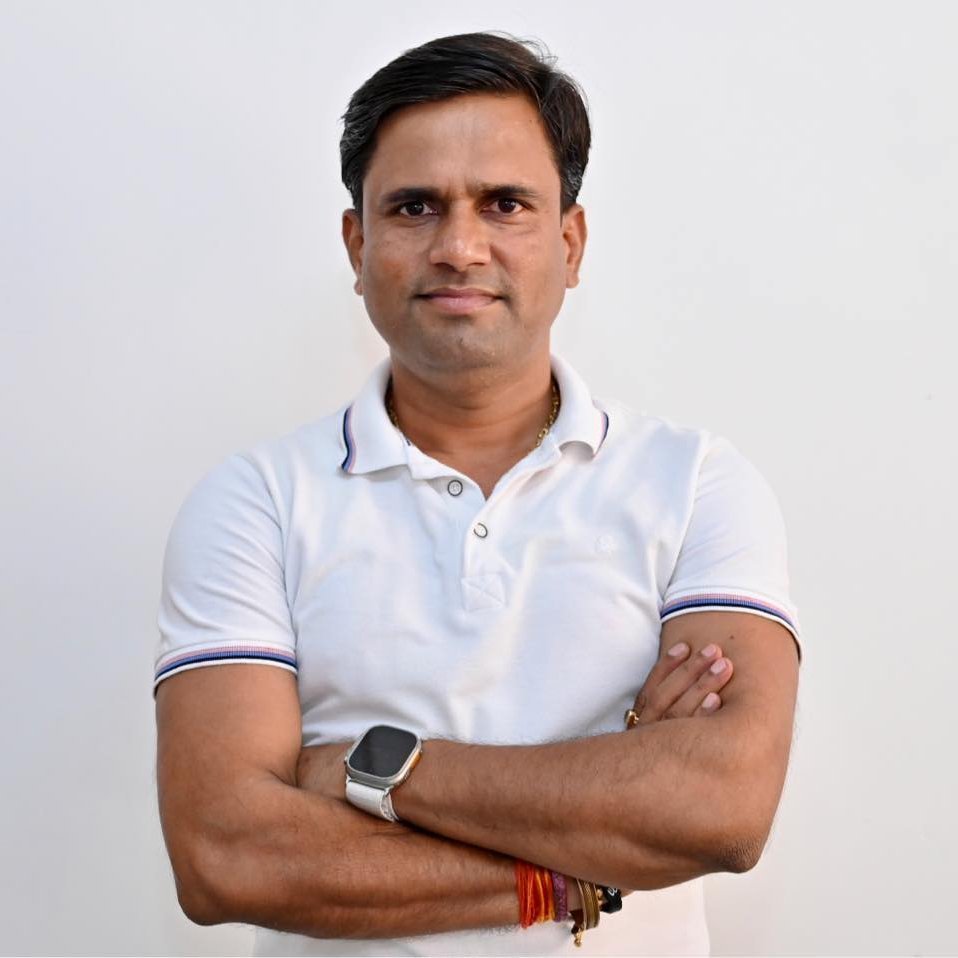

Dabolim has been selected as South Goa’s Model Solar Power Energy Village under the PM Surya Ghar Yojana, with about ₹1 crore in Central assistance earmarked for community-based solar projects. This Development Works entry records what the recognition means for families, what GEDA assessed, how funds are expected to be used, and why the status remains Ongoing until community solar works are fully delivered under Sarpanch Kamla Prasad Yadav and Village Panchayat Chicalim.
What the Recognition Means
Model Solar Village is not a decorative title. It signals that a village’s rooftop adoption, awareness and implementation indicators stood out in a formal assessment. For Dabolim and the wider Chicalim panchayat jurisdiction, it means state and Central attention toward community solar - public buildings and shared infrastructure that can lower long-term energy costs and demonstrate clean power in everyday civic life.
Citizens should read the recognition as a responsibility as much as an honour. Panels must be maintained. Applications must stay honest. Public money must translate into working systems people can see - not only press photographs on announcement day.
PM Surya Ghar - The National Frame
The PM Surya Ghar Muft Bijli Yojana encourages household and community solar adoption across India. In Goa, the Goa Energy Development Agency (GEDA) plays a central role in assessment and implementation support. When a village is named a model, it becomes a reference point for neighbouring panchayats watching whether renewable energy can scale at village speed.
For citizen clarity, the same story appears under many phrases people actually search and share: PM Surya Ghar Dabolim, Model Solar Village Goa, Dabolim ₹1 crore solar grant, GEDA solar village, and Kamla Prasad Yadav solar leadership. This page gathers those facts in one inspectable place.
GEDA Assessment - Seven Villages, One Top Performer
Public coverage reports that GEDA assessed seven South Goa villages between November 2025 and February 2026 on awareness, enrolment and implementation under PM Surya Ghar. Dabolim emerged on top, with about 30 kVA solar capacity cited among performance indicators.
Assessment windows matter because they reward sustained community work, not a single weekend camp. Enrolment, installation progress and citizen awareness accumulate over months. Families who completed rooftop journeys earlier helped build the score that later unlocked model-village attention.
If you are verifying figures for research or journalism, open the source links below and confirm the latest official GEDA or ministry communications. Registry pages summarise public reporting; agency documents remain the technical source of truth for capacity and disbursement schedules.
About ₹1 Crore Central Assistance
Reporting states Dabolim will receive about ₹1 crore in Central assistance for community-oriented solar facilities. Expected use cases include panchayat buildings, community halls and other public infrastructure - places every resident can benefit from even if their own rooftop is not yet ready.
Community solar differs from household rooftop schemes. Household systems cut a family’s bill; community systems light and power shared civic spaces. Together they create a village energy story: private roofs plus public buildings, both facing the sun.
Disbursement and commissioning timelines should be followed through panchayat and GEDA updates. Until systems are installed and operating, this registry keeps status as Ongoing - honest labelling that protects trust.
Leadership, Members and Citizens
Coverage attributes the achievement to the panchayat under Sarpanch Kamla Prasad Yadav, with members and citizens spreading awareness of renewable benefits and encouraging adoption. Solar villages are never built by one signature alone. They need households willing to apply, vendors who install correctly, and local leaders who keep explaining why the paperwork is worth the morning sun for decades.
That partnership tone matters in Mormugao Taluka, where airport corridors, housing growth and industrial edges raise both energy demand and air-quality concerns. Cleaner local generation is practical development - quieter bills, clearer skies, and a younger generation that sees renewables as normal village infrastructure.
Why Status Is Ongoing
Selection and grant intent are publicly reported. Delivery is a process: design, procurement, installation, grid coordination, safety checks and maintenance arrangements. Listing the work as Ongoing means we refuse to pretend commissioning is finished before citizens can inspect results.
Compare with other registry statuses:
- Completed - operational or dedicated works (for example, dedicated school classrooms)
- Ongoing - active rollout such as this solar village pathway and panchayat office renovation
- Planned - gram sabha intent not yet built (for example, old age home)
How Funds Can Help Daily Life
When community solar reaches panchayat buildings and halls, citizens feel it in ordinary ways: lights that stay reliable during programmes, lower operating pressure on local budgets, and a visible symbol that green policy reached the village - not only the capital city. Children attending events in solar-supported halls grow up associating public life with clean energy.
Households still deciding on rooftop solar can treat the model-village moment as a learning window. Ask neighbours who already installed. Attend awareness sessions. Check GEDA / scheme guidance for eligibility. A model village grows stronger when more roofs join after the headline, not only before it.
Link to Chicalim’s Environmental Record
Solar recognition sits beside Chicalim’s wider environmental story - including the Wealth Out of Waste (WOOW) facility and award-winning green practices. Waste science and clean energy are different tools with one direction: a village that takes responsibility for what it throws away and what it burns for power.
Residents should not confuse the two projects. WOOW is waste infrastructure. PM Surya Ghar model status is renewable energy recognition and community solar funding. Together they strengthen the claim that local development can be both clean and inspectable.
Mormugao Context - Why Solar Fits Here
Mormugao Taluka’s mix of transport hubs, dense housing and commercial activity means electricity demand is real and rising. Rooftop and community solar turn unused roof plane into productive civic assets. In a coastal climate with strong sun hours, the physics favours adoption - if paperwork, vendor quality and after-sales service keep pace.
Dabolim’s selection therefore has taluka-level signalling value. Neighbouring villages will ask what awareness methods worked, how enrolment was tracked, and how the panchayat kept citizens motivated. Sharing those lessons is part of being a model - not gatekeeping them.
Citizen Checklist
- Follow official GEDA / panchayat notices on community solar works
- Ask which public buildings are prioritised and on what timeline
- Keep household rooftop applications accurate - model status does not replace individual eligibility rules
- Report unsafe or incomplete installations through proper channels
- Use Jan Samvad for local questions with clear details
- Read related news coverage before forwarding claims
For Students and Youth
Model Solar Village is a classroom without walls. Science projects can measure shade, tilt and household awareness. Youth clubs can help elders understand application steps. When young people treat solar as normal, Goa’s next decade of energy choices becomes easier - less argument, more installation discipline.
Women, Households and Energy Decisions
In many homes, women manage daytime electricity use - cooking appliances, water motors, study lights after school. Rooftop solar conversations succeed when those daily rhythms are respected. Awareness camps that speak only to title deed holders miss half the household. A model village should invite women’s self-help groups, mothers’ committees and ward-level women leaders into enrolment guidance.
Lower bills are not abstract economics; they are school-bag money, clinic travel money, and festival savings. When community solar also supports public halls, women-led programmes gain reliable lighting without begging for generator budgets. That is gender-aware infrastructure without needing a separate slogan.
Vendors, Quality and After-Sales
Recognition can attract hasty vendors. Citizens should insist on documented warranties, correct earthing, clean cable routing, and clear complaint channels. A beautiful announcement photograph cannot replace a working inverter in monsoon week three. Panchayat coordination with GEDA should keep quality standards visible - so model status does not become a cautionary tale.
Households should photograph meter readings before and after commissioning where relevant, keep bills, and note installer contacts. Paper trails protect consumers when promises fade. Model villages teach other panchayats as much by their complaint resolution as by their capacity numbers.
Monsoon, Salt Air and Maintenance
Coastal Goa asks hard questions of hardware: salt air, heavy rain, and gusts that test mounting. Maintenance schedules - panel cleaning, inverter checks, vegetation shade management - decide whether 30 kVA remains 30 kVA in practice. Community systems on public buildings need assigned caretakers, not orphaned assets after inauguration.
Ask publicly: who cleans community arrays? Who holds spare parts contacts? Who pays minor repair costs from which budget line? These ordinary questions are how Ongoing status becomes Completed with dignity.
Replication - Teaching Other Panchayats
Model status invites visitors. When other sarpanchas ask how Dabolim scored, share process honestly: awareness methods, enrolment follow-ups, coordination with GEDA, and mistakes corrected along the way. Goa rises when villages export methods, not only headlines. Replication without humility creates copy-paste failures; replication with checklists creates a solar belt across talukas.
Related Development Works
- Wealth Out of Waste (WOOW) Facility
- Dabolim Government School Classrooms Upgrade
- Chicalim Panchayat Building Renovation
- Full Development Works registry
- Public Welfare - Environment
Sources & Verification
Primary public sources include Goemkarponn and The Goan reporting on Dabolim’s model solar village selection and ₹1 crore grant context. Always open originals for dates and wording.
Closing - Sunlight as Public Work
PM Surya Ghar recognition places Dabolim on Goa’s renewable map. The work ahead is quieter than the announcement: install well, maintain honestly, invite more households, and keep community buildings shining after cameras leave. Under Sarpanch Kamla Prasad Yadav’s panchayat leadership, the public promise is simple - clean power that villagers can verify.
Last updated August 2026. Corrections with verifiable sources are welcome via Jan Samvad.