The Wealth Out of Waste (WOOW) treatment facility is Chicalim’s flagship environmental infrastructure - scientific segregation, treatment and reuse that citizens can inspect. Under Sarpanch Kamla Prasad Yadav, WOOW has drawn Union ministerial praise, MLA-led study visits, and first-place recognition in Best Environmental Practices. Treated water helps maintain nearby Joggers Park. This Development Works entry is the stable public record: what the plant is, why it matters, how status is labelled Completed, and how households keep the model honest every morning.
What WOOW Is
WOOW is not a slogan painted on a wall. It is a working approach to waste where different streams are handled scientifically and converted into usable outputs rather than only dumped or burned. Public coverage of high-level visits has described a comprehensive model linking method with real-world products - including references to biogas, electricity and treated water in ministerial remarks reported by the press.
For families, the practical meaning is simpler: wet and dry habits at home feed a system that tries to turn burden into resource. For Goa’s villages watching Chicalim, the meaning is larger: decentralised waste management can be demonstrated, studied and debated with evidence.
Joggers Park - Benefit You Can Walk Through
Treated water maintaining Joggers Park is WOOW’s most human translation. Elders walking at dawn, youth exercising after school, families gathering on Sundays - these scenes make “waste management” emotionally real. Infrastructure that only impresses engineers fails politically; infrastructure that greens a public park wins patience when collection schedules occasionally slip.
When you visit the park, you are not only visiting leisure space. You are visiting a circular argument: waste processed carefully can return as care for common ground.
Union Minister Visit - 7 June 2025
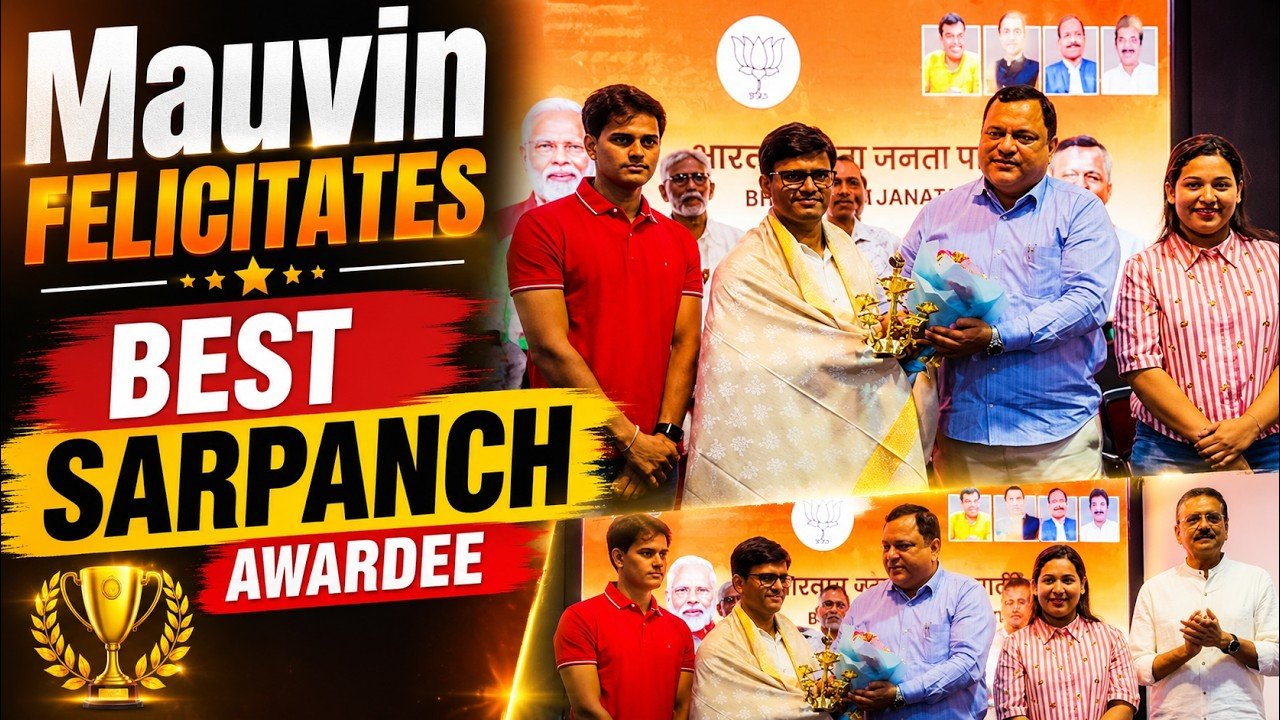
On 7 June 2025, Union Minister of State for Rural Development Dr Pemmasani Chandrasekhar visited the WOOW plant with Transport Minister Mauvin Godinho. Press coverage reported praise for an integrated decentralised model and noted it was among the most comprehensive waste-to-resource systems the Minister had seen in that form - encouraged, reports said, by Chief Minister Dr Pramod Sawant’s suggestion to visit.
Ministerial inspection matters because it raises the bar after applause. A plant praised in June must still run in July rain and December rush. National attention is an honour and a spotlight on maintenance discipline.
Related news: Union Minister praises WOOW.
MLA Study Visit - Replication Homework
MLA Cruz Silva led sarpanchas and officials to study Chicalim’s WOOW model for village-level replication across Goa. Study tours are flattering only if standards hold after guests leave. Replication homework includes segregation quality, staffing routines, odour control, output reuse and citizen communication - metrics harder to fake than stage photos.
Chicalim’s duty as a host model is transparency: show what works, admit what is hard, and share process not only plaques. Related news: MLA WOOW model study.
Best Environmental Practices - First Place
WOOW underpins Chicalim’s first-place honour in Best Environmental Practices for local bodies under the UNEP plastic-pollution theme, presented around World Environment Day 2025 by Goa State Pollution Control Board contexts reported in the press, with Chief Ministerial association in award coverage. Awards validate direction; daily collection validates seriousness.
Children learning cloth-bag habits inherit cleaner coastline. Adults segregating wet and dry waste keep the plant fed with usable input. Without household cooperation, even excellent machinery underperforms.
Why Status Is Completed
This registry lists WOOW as Completed because the facility is operational and publicly inspectable - visited, studied and cited in award narratives. Completed does not mean finished forever. Plants need operators, spare parts, monsoon readiness and honest grievance channels when something smells wrong - literally or figuratively.
- Completed - WOOW operating as flagship infrastructure
- Ongoing - works still rolling out elsewhere (office renovation, solar pathway)
- Planned - gram sabha intent not yet built
Household Duty - The Invisible Engine
WOOW succeeds or struggles at the kitchen door. Mixed waste sabotages scientific treatment. Clean segregation is unpaid civic work - often done by women - that makes every later stage possible. Panchayat messaging, school awareness and ward leaders should keep repeating the basics without boredom: wet separate, dry separate, no festival dumping excuses.
Citizens can help by:
- Segregating every day, not only before inspections
- Reducing single-use plastic where practical
- Reporting missed collection with ward, date and photo if safe
- Visiting inspectable sites before forwarding WhatsApp claims
- Using Jan Samvad for specific complaints
Odour, Neighbours and Fairness
Waste plants live beside real homes. Odour control, truck timing and leachate discipline are justice issues for neighbouring wards. A model that exports smell while importing praise is not a model worth copying. Leadership should treat neighbour complaints as engineering tasks, not as disloyalty.
Fairness also means commercial and household generators follow rules equally. Selective enforcement destroys trust faster than imperfect technology.
Partnerships and Public Credit
Press coverage of WOOW has referenced partnership contexts in the waste-to-resource ecosystem. Public credit should be shared accurately - panchayat leadership, operators, workers who arrive early, and citizens who segregate. Sarpanch Kamla Prasad Yadav’s role is coordination and political will; the plant’s daily truth belongs to many hands.
When journalists visit, insist on process questions: staffing, throughput, reuse pathways, complaint logs. Praise without process is advertising.
Plastic, UNEP Themes and Local Habit
Global themes about ending plastic pollution become local only through ward habits. WOOW sits inside that translation: awareness days matter, but Tuesday morning segregation matters more. Schools, SHGs and youth clubs can keep the theme alive between award cycles.
Festival seasons test systems. Temporary markets and gatherings create spikes. Planning for those spikes - extra collection, clearer rules, rapid cleanup - is mature environmental governance.
Link to Solar, Office and Welfare
WOOW is environment infrastructure. It pairs with PM Surya Ghar solar recognition as a clean-development story, with office renovation as governance culture, and with education/health works as people care. A village that treats waste scientifically while ignoring courtesy at the panchayat desk is half-built. Chicalim’s registry asks citizens to read the whole picture.
Replication Ethics
When other panchayats copy WOOW, they should copy measurement and maintenance, not only branding. A fake WOOW signboard without operations is worse than honest lag. Chicalim can help Goa by publishing lessons: what failed first, what staffing ratios matter, how park reuse was arranged, how complaints were handled.
Model status is a teaching post. Teach honestly.
For Students and Teachers
WOOW is a living science chapter - cycles of matter, civic responsibility, engineering trade-offs. School visits, when arranged properly, beat textbook diagrams. Students can survey household segregation rates in their lane and present findings to ward members. That is democracy with data.
Monsoon Readiness
Coastal Goa judges waste systems when rain comes. Drains, truck access, covered storage and worker safety decide whether Completed status still feels true in August. Ask publicly about monsoon SOPs. Celebrate parks after rain only if the plant kept its side of the bargain.
Workers’ Dignity - The Hands Behind the Model
Collection crews, plant operators and cleaning staff carry WOOW’s reputation on their bodies - heat, smell, traffic, festival overload. A celebrated model that underpays or under-equips workers is a contradiction. Gloves, rest breaks, fair wages and respectful language from residents are part of environmental excellence.
Citizens can help by not abusing staff over systemic delays, by keeping lanes clear for trucks, and by reporting hazards that endanger workers. Awards belong on stages; dignity belongs on routes.
Commercial Waste and Fair Rules
Shops, eateries and event organisers generate different volumes than households. Fair rules mean commercial generators follow segregation and disposal norms without special opacity. Selective enforcement - strict for homes, soft for powerful commercial actors - destroys the moral basis of WOOW faster than any technical fault.
Panchayat communication should make commercial obligations clear before festivals and tourist peaks. Prevention beats apology cleanups.
Data, Photos and Honesty
Modern environmental politics loves before-after photos. Useful - if dated and honest. Pair images with ordinary metrics where available: collection regularity, complaint closure, park watering continuity. A registry page like this one should evolve when verified operational notes change. Until then, treat press praise as milestone markers, not perpetual certificates.
Related Development Works & Coverage
- News - Union Minister WOOW visit
- News - MLA study visit
- News - Environmental award
- PM Surya Ghar - Dabolim
- Public Welfare - Environment
- Full Development Works registry
Sources & Verification
Closing - Operate as if Inspectors Return Tomorrow
WOOW is Completed infrastructure with an unfinished social contract: segregate, maintain, replicate honestly, and keep Joggers Park green without hiding plant problems. Under Sarpanch Kamla Prasad Yadav, the public standard is inspectable environmental politics - waste turned into wealth that villagers can verify.
Walk past the park. Ask about collection. Keep your wet and dry streams clean. That is how a celebrated plant stays worthy of its visitors - and how Chicalim keeps teaching Goa without preaching.
Last updated August 2026. Corrections with verifiable sources are welcome via Jan Samvad.