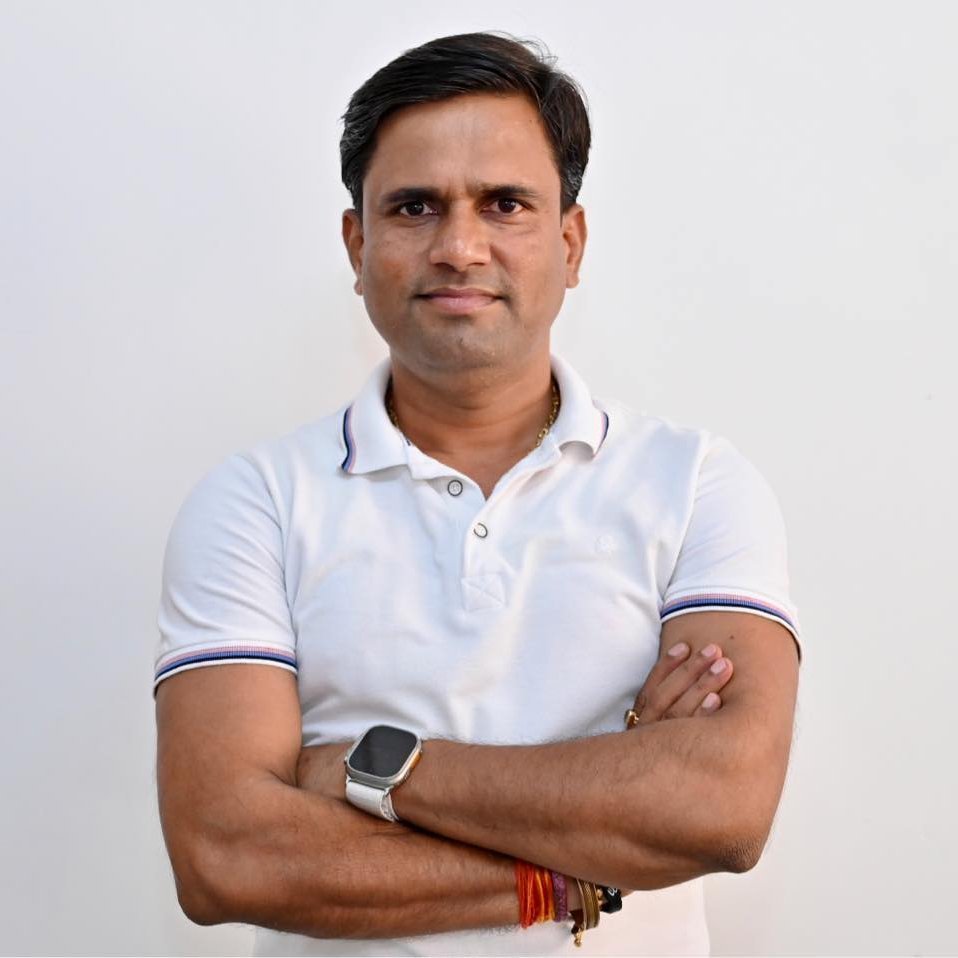
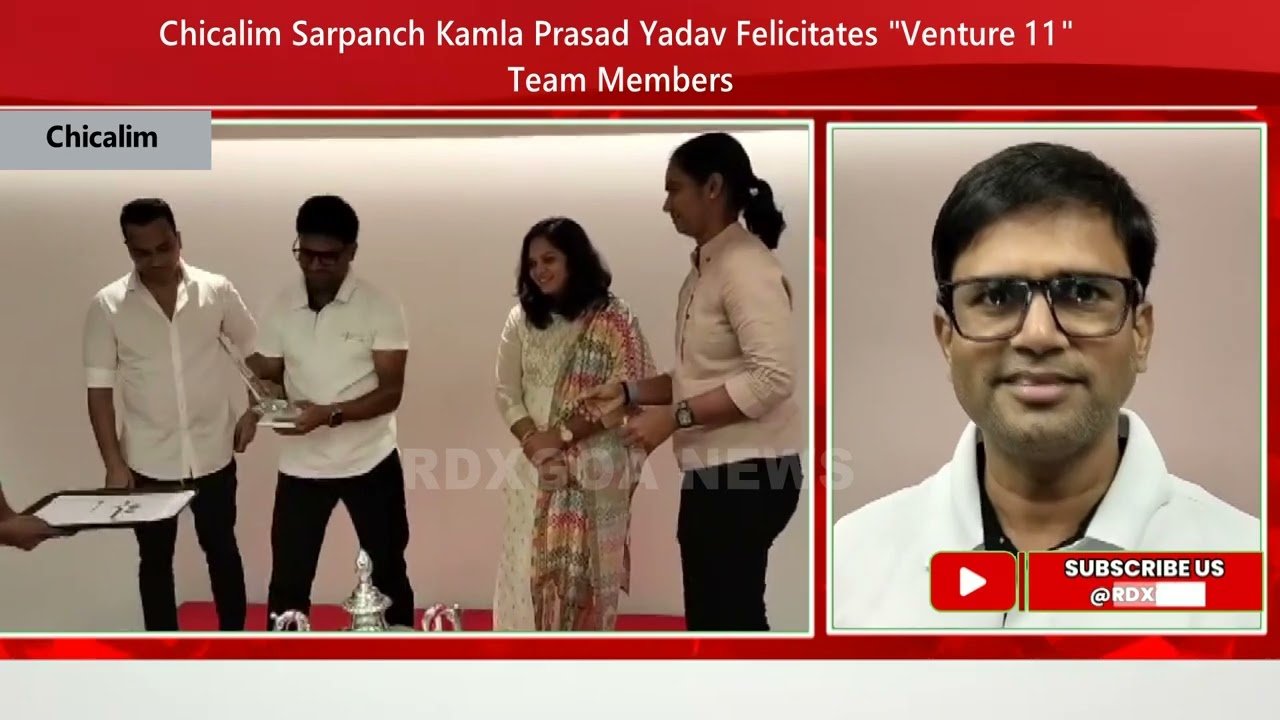
On 28 July 2026, a free ambulance service was flagged off under the Gomati Foundation - healthcare seva for families across Mormugao Taluka who cannot easily afford private medical transport. This Development Works entry records the launch under Sarpanch Kamla Prasad Yadav, why emergency mobility is dignity, how the Foundation frames care beside education, and how citizens should understand a Completed flag-off as the start of accountable service - not the end of public attention.
Why Ambulance Seva Matters
In a medical emergency, minutes are not abstract. They are a child’s fever at midnight, an elder’s fall, a labouring mother’s journey, a roadside accident when private ambulance quotes arrive faster than compassion. For many working families, the barrier is not only hospital distance - it is the sudden cost of transport when wages are already stretched.
A free ambulance does not replace doctors, medicines or public emergency numbers. It removes one brutal gate: who can pay to move. That gate decides whether care begins on time. Village development that builds roads and halls but ignores emergency mobility leaves the poorest families negotiating fear at the worst possible hour.
Flag-Off Day - 28 July 2026
The ambulance was flagged off on the same day Sarpanch Kamla Prasad Yadav launched the Gomati Foundation, named in memory of his mother. Transport Minister Mauvin Godinho inaugurated the Foundation in the presence of BJP Goa President Damu Naik, Vasco MLA Krishna Salkar, panch members, social workers and a large gathering of residents.
The day also dedicated newly developed government school premises, announced yearly sponsorship of complete education for 10 students, hosted a blood donation camp, and planted trees under Ek Ped Maa Ke Naam. Readers should see the ambulance as one pillar of a wider seva day - healthcare standing beside education and community care.
Gomati Foundation’s Healthcare Pillar
The Foundation’s public frame is education, healthcare and community development in Mormugao Taluka. Free ambulance service is the healthcare signal: emergency assistance for families who cannot afford private medical transport. Education sponsorships and school classrooms answer a different poverty trap; the ambulance answers the night-time one.
Naming the Foundation after the Sarpanch’s mother frames care as memory turned into service. Citizens should still demand practical clarity - how to request the ambulance, which areas are covered, what kinds of emergencies are prioritised, and how drivers and responders are supported. Warm intent needs clear operating rules.
Who Benefits
Primary beneficiaries are households across Mormugao Taluka for whom private ambulance fees are a crisis inside a crisis - daily-wage families, elders living alone, parents of young children, and residents far from tertiary hospitals. Secondary beneficiaries include the wider community: when one family reaches care faster, social trust in local leadership grows.
Women often carry the first minutes of household emergencies - calling neighbours, packing documents, calming children. Affordable emergency transport is therefore gendered infrastructure even when headlines do not say so. A service that answers at night protects caregivers as much as patients.
How to Read “Completed” Status
This registry lists the project as Completed because the free ambulance was publicly flagged off and presented as launched under the Foundation. Completion here means the seva has entered public life - not that maintenance, fuel, staffing, dispatch discipline and citizen communication are forever finished.
Healthy public culture asks after the ribbon:
- Is the vehicle roadworthy and insured?
- Is there a clear contact pathway for genuine emergencies?
- Are misuse and delay handled fairly?
- Do families know this option exists before crisis hour?
Use Jan Samvad to share service feedback with specifics - date, location, what happened - so improvements stay factual.
Complement, Not Replacement
Foundation ambulance seva should be understood as complementary to government emergency systems such as official emergency numbers and hospital networks. In life-threatening situations, citizens should still call established emergency services without delay. Community ambulances expand affordable options; they do not ask families to choose between systems when every second counts.
Clear public messaging prevents confusion. The goal is more pathways to care, not rivalry between institutions. Panchayat, Foundation volunteers and health workers succeed when they point citizens to the fastest safe option available in that moment.
Mormugao Health Geography
Mormugao Taluka mixes port and airport movement, dense housing, tourism edges and industrial work. Accidents, heat stress, shift-work exhaustion and delayed clinic visits are part of real geography. Emergency transport that understands ward lanes, night traffic and hospital routes is practical development - as concrete as a classroom or a solar panel.
Dabolim, Chicalim and neighbouring communities share kinship and work corridors. An ambulance rooted in Foundation seva can knit those corridors with care when protocols are clear and drivers know the roads families actually live on.
Blood Donation and the Same Seva Day
The Foundation launch included a blood donation camp. Blood and ambulances belong to the same emergency chain: move the patient, then support the clinical fight with voluntary blood culture. Citizens who donated that day participated in healthcare infrastructure without wearing a uniform. That is modern jan seva - ordinary people strengthening the safety net.
Education and Health Together
On the same day, classrooms were dedicated and student sponsorships announced. A child who studies in a new room still needs an ambulance when illness strikes. A sponsored student’s family still faces emergency transport costs. Gomati’s twin pillars refuse the false choice between school and hospital. Development that splits them leaves families half-protected.
Related registry entries:
- Dabolim Government School Classrooms Upgrade
- Gomati Foundation - 10 Students Education Sponsorship
- News - Gomati Foundation launch
Citizen Responsibility
Free services survive on honest use. Calling an ambulance for non-emergencies can delay someone in true danger. Neighbours can help by sharing correct contact information, keeping lane access clear for emergency vehicles, and accompanying elders who need advocacy at hospital gates.
Volunteer energy matters after launch week. Drivers need rest systems. Fuel needs budgeting. Community respect for the vehicle - not treating it as a private shuttle - keeps the seva alive for the next family.
A Note for Families
Save official emergency numbers first. Then learn, through panchayat / Foundation communication channels, how the Gomati free ambulance support can be requested when appropriate. Keep basic medical documents ready in one folder at home - ID, known allergies, current medicines. In panic, preparation is love made practical.
If you faced a gap - no answer, delay, confusion - report it calmly through Jan Samvad. Specific feedback improves systems faster than anger without details.
A Note for Youth
Young people can train in first-aid awareness, help elders understand emergency numbers, and volunteer at blood camps. Healthcare seva is not only for officials. A generation that treats emergency preparedness as normal citizenship will need fewer miracles and more routine competence.
Transparency and Trust
Public launches create hope. Operations create trust. This website lists the ambulance under Development Works so journalists and citizens can find a stable reference with sources. When operating details evolve - contact numbers, coverage notes, partner hospitals - they should be published through official channels and reflected here when verified.
Corrections with verifiable sources are welcome. Accuracy is also seva.
Elders, Disability and Night Calls
Elders and persons with disability face steeper barriers when private transport is scarce at night. Steps, narrow lanes and unfamiliar hospital campuses add stress after the ride begins. A community ambulance culture that trains helpers to assist boarding, carry documents and speak calmly at admission desks multiplies the value of the vehicle itself.
Neighbours can form simple ward habits: know who lives alone, keep a written emergency contact list, and avoid blocking lanes with parked bikes when sirens approach. These are low-cost practices that make Foundation seva land softly in real streets.
Fuel, Upkeep and Sustainability
Flag-off day does not pay next month’s fuel. Sustained ambulance seva needs budgeting honesty - fuel, servicing, tyres, insurance renewals, and fair rest for drivers. Citizens should support transparency about how the Foundation and partners sustain operations, because applause without upkeep becomes a stranded asset.
Volunteer fundraising, CSR partnerships and careful trip prioritisation can all play roles. What matters is that families continue to find a working answer years after the cameras leave - that is the true test of Completed status.
Related Development Works
- Dabolim School Classrooms Upgrade
- 10 Students Education Sponsorship
- PM Surya Ghar - Dabolim Model Solar Village
- Wealth Out of Waste (WOOW)
- Public Welfare - Health
- Full Development Works registry
Sources & Verification
- Goemkarponn - Foundation launch, school & ambulance
- Goemkarponn - Education focus
- On-site news summary
- Events coverage of dedication day programmes
Closing - Speed with Dignity
The Gomati Foundation free ambulance is completed as a public launch and living as a service duty. Under Sarpanch Kamla Prasad Yadav, the message is warm and practical: financial hardship must not decide whether a family reaches care. Keep the vehicle ready. Keep the phone answered. Keep the community honest in how it asks for help.
Bookmark this page, share it with ward neighbours, and return after monsoon seasons to check whether operating notes have been updated. A living registry is how villages keep leaders - and themselves - honest about care.
Last updated August 2026. Corrections with verifiable sources are welcome via Jan Samvad.